
Stanford researchers confirm: even short hot showers accelerate collagen breakdown, dull your complexion, and speed up visible aging.
It’s the daily comfort we rarely question — turning the knob all the way up, letting steam fill the room, and letting warmth wash away fatigue. But behind that fleeting calm lies a hidden cost: your skin’s youth.
Recent dermatological research from Stanford University shows that just three minutes of exposure to high-temperature water can degrade collagen fibers — the same protein responsible for keeping your skin firm, elastic, and youthful.
So yes, your “self-care” ritual might actually be self-sabotage.
This article contains affiliate links. If you purchase through these links, we may earn a small commission at NO extra cost to you — it helps support in-depth, research-backed articles like this one.
The Comfort Ritual That’s Quietly Destroying Your Skin
We grew up believing hot showers symbolized relaxation and cleanliness. Yet dermatologists now warn they may do more harm than skipping sunscreen.
Here’s what happens when you shower in excessively hot water:
- Collagen fibers loosen, weakening your skin’s support structure
- Natural lipids melt away, eroding your skin’s protective barrier
- Moisture evaporates rapidly, leaving a tight, dehydrated surface
- Inflammation spikes, accelerating wrinkles and redness
It’s essentially slow-cooking your skin daily — with cumulative damage that builds silently over time.
Stanford’s Findings: 3 Minutes to Collagen Breakdown
In a controlled dermatology study (Stanford, 2024), scientists exposed human skin tissue to varying water temperatures. The results were striking:
- Water at 105°F (40.5°C) led to a 32% reduction in collagen integrity in just three minutes
- Collagen-degrading enzymes (MMPs) increased by over 40%
- Barrier recovery took up to 8 hours longer after heat exposure
- Cooler-water subjects retained more hydration and elasticity over 60 days
In simpler terms — your anti-aging routine can’t outcompete what your shower undoes daily.
For an in-depth and evidence-based framework on establishing an effective anti-aging skincare routine tailored for men, refer to my comprehensive guide on this subject.
Best Men’s Grooming Products 2025: Top 5 Must-Haves for Every Man
Why Heat Is the Silent Enemy of Youthful Skin
Collagen, elastin, and lipid layers are the skin’s architectural pillars. Hot water weakens all three.
When skin overheats:
- Blood flow rises temporarily — giving that short-lived “glow”
- But soon after, inflammation and oxidative stress kick in
- Micro-tears form within the dermal layer, dulling texture and tone
Dermatologists call this thermal aging — an overlooked form of skin damage distinct from UV aging.
Hot water also activates proteolytic enzymes, which literally digest collagen and elastin over time. The result? Thinner, more fragile skin that struggles to bounce back.
Thermal Aging vs. Natural Aging
| Thermal Aging (Preventable) | Natural Aging (Inevitable) | |
|---|---|---|
| Cause | Hot water, heat exposure, frequent barrier damage | Genetics, hormonal shifts, time |
| Visible Signs | Redness, tightness, dull tone, enlarged pores | Sagging, fine lines, reduced elasticity |
| Timeframe | Weeks to months | Years |
| Solution | Cooler showers, barrier repair, anti-inflammatory skincare | Long-term collagen support |
Thermal aging is completely avoidable — if you’re willing to adjust your habits.
The Case for Cold Water: Science Meets Skin Longevity
The “cold plunge trend” isn’t just social media bravado. Research backs its physiological benefits. Cold water therapy reduces inflammation, tightens skin, and supports collagen preservation.
Benefits of switching to cold or cool showers:
- Enhances circulation without causing barrier damage
- Tightens pores and firms the skin
- Reduces puffiness and under-eye swelling
- Promotes lymphatic drainage
- Preserves natural oils that lock in hydration
We highly recommend this premium cold plunge kit for anyone serious about enhancing recovery and wellness with cold therapy.
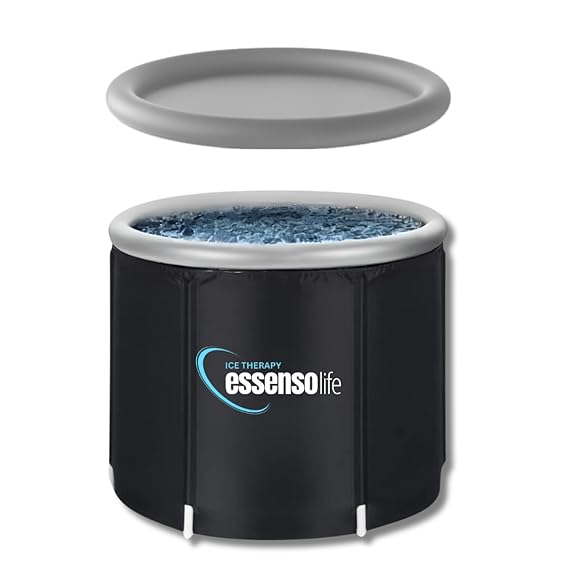
Essensolife PVC 320 Litre Cold Plunge Tub – On Amazon
How Heat Damages More Than Just Skin
Your scalp and hair suffer, too. Excessive heat strips away natural sebum and weakens follicular roots.
Common signs of heat-related scalp damage:
- Increased shedding or breakage
- Persistent dryness or itchiness
- Premature graying due to oxidative stress
- Dull, lifeless hair with loss of density
Dermatologists note that maintaining scalp health is crucial for overall skin appearance — both share the same barrier mechanisms.
we highly recommend this advanced scalp serum specifically formulated to support scalp wellness and enhance hair quality.
L’Oréal Professionnel Scalp Advanced – On Amazon
What Dermatologists Recommend Instead
Top dermatologists have quietly adjusted their routines. Beverly Hills dermatologist Dr. Sarah Ito summarizes it best:
“If you’re investing in high-end serums but washing your face in near-boiling water, you’re erasing your results every day.”
Here’s how to repair — and future-proof — your skin barrier:
- Lower your water temperature to lukewarm (below 100°F / 37°C)
- Limit showers to under 5 minutes
- End with a 30-second cold rinse to constrict pores
- Moisturize immediately after towel-drying (within 60 seconds)
- Apply barrier-repair creams weekly
- Avoid hot water on the face and scalp entirely
Dermatologist-approved moisturizers play a critical role in maintaining and repairing the skin’s natural barrier, providing essential hydration and protection that supports healthy, glowing skin. After thorough research, we have found the best one in the market right now.
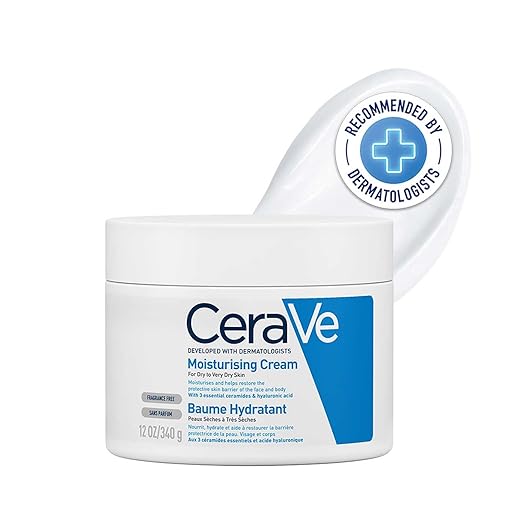
CeraVe Moisturizing Cream For Dry To Very Dry Skin – On Amazon
(Internal link placeholder: “Barrier Repair Routine for Men — Complete Guide”)
For a comprehensive understanding of essential grooming tools and the best options available in 2025, see my detailed blog post on the Grooming Kit for Men: Meaning, Essentials, and the 7 Best Options in 2025.
Grooming Kit for Men: Meaning, Essentials, and the 7 Best Options in 2025
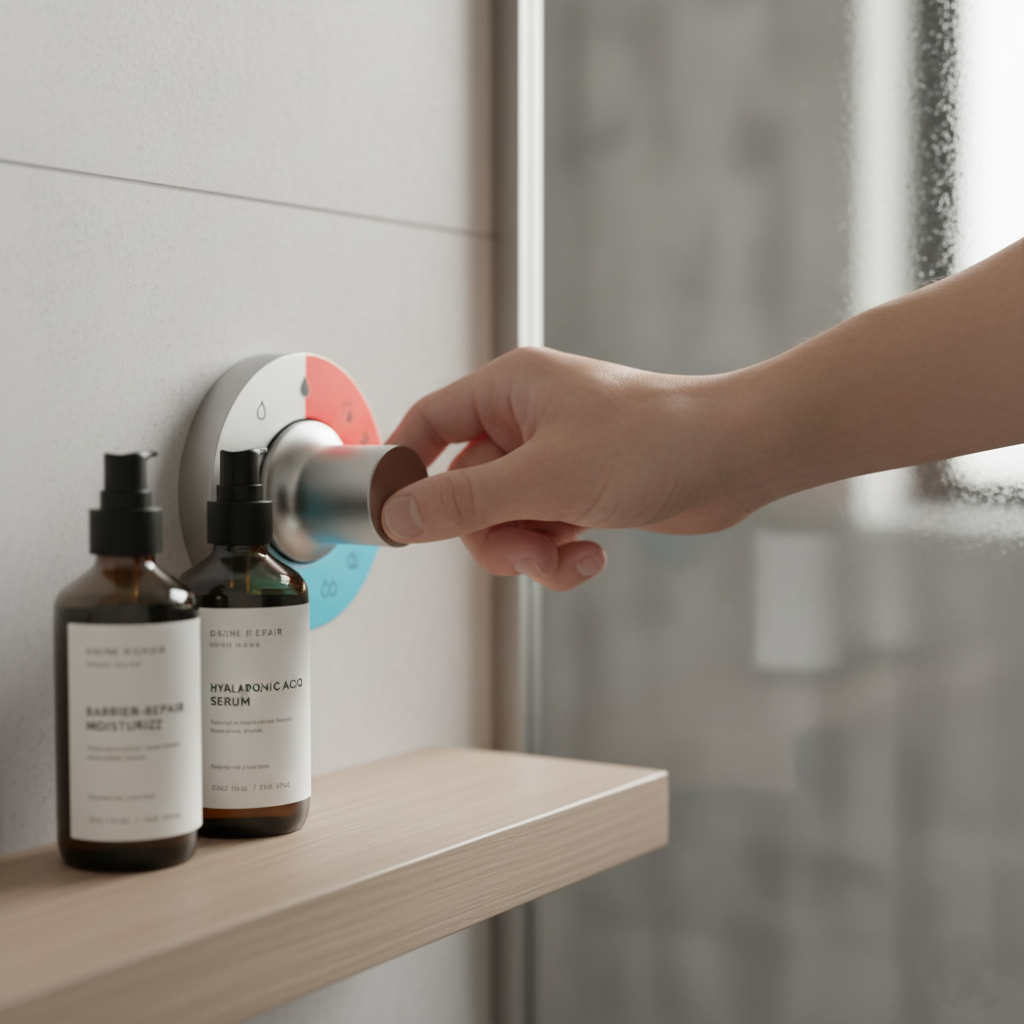
Practical Recovery Tips If You Can’t Quit Hot Showers Yet
Let’s be realistic — breaking a long-held comfort habit takes time. But even small adjustments yield visible results.
- Alternate temperature cycles: Start warm, end cold
- Hydrate post-shower: Apply hyaluronic acid serum before moisturizer
- Replenish lipids: Use ceramide-based lotions regularly
- Shower every other day when possible to reduce barrier stress
For expert recommendations on essential grooming products every man should have in 2025, see my detailed post
Best Men’s Grooming Products 2025: Top 5 Must-Haves for Every Man
Cold Therapy: From Athletes to Skin Longevity
Once a niche athletic practice, cold exposure has gone mainstream for wellness and anti-aging.
Cold showers and ice baths:
- Boost norepinephrine (mood and circulation hormone)
- Reduce inflammation-driven skin aging
- Improve sleep quality and lower cortisol (the stress hormone that accelerates wrinkles)
Celebrities known for adopting this include Chris Hemsworth, Pharrell Williams, and Victoria Beckham, who all credit cold therapy for skin clarity and tone.
For an effective and budget-friendly way to reduce puffiness and soothe the skin, we highly recommend this affordable ice roller designed for face, neck, and body use.
KLOY Ice Roller For Face, Neck and Body – On Amazon
Authoritative Resources & Studies to Reference
- Stanford Medicine: Dermatology Research
- Harvard Health Publishing – Skin Barrier Science
- American Academy of Dermatology – Collagen & Aging
- Cleveland Clinic – Skin and Heat Exposure
- National Library of Medicine – Thermal Aging Studies
- Mayo Clinic – Hair and Scalp Health
- Healthline – Benefits of Cold Showers
- Dermatology Times – Moisture Barrier Insights
- Journal of Investigative Dermatology
- WebMD – Hot Water and Skin Irritation
Final Thoughts: Your Shower Could Be Your Skin’s Turning Point
The daily ritual you thought was harmless might be the hidden reason your skin looks older than it should. While warmth feels good, it silently erodes your collagen — the very foundation of youth.
By dialing down the heat, finishing cold, and using barrier-repair essentials, you not only protect your skin — you reverse visible damage within weeks.
So tomorrow morning, pause before you twist that handle.
Because the difference between aging fast and aging well might just be the temperature of your shower.
Frequently Asked Questions
Q1: Do hot showers actually cause wrinkles?
Yes. Hot water weakens collagen and elastin — the proteins that keep your skin firm. Over time, this leads to fine lines and premature wrinkling, especially on the face and neck.
Q2: How long should I shower to avoid damaging my skin?
Keep showers under 5 minutes and use lukewarm water (below 100°F / 37°C). Extended exposure to heat can dehydrate skin and trigger inflammation.
Q3: Can cold showers make your skin look younger?
Absolutely. Cold water helps constrict pores, reduce puffiness, improve circulation, and preserve your natural skin barrier — giving you firmer, more hydrated skin.
Q4: What’s the best skincare routine after a shower?
After towel-drying, immediately apply a hyaluronic acid serum and a moisturizer to lock in hydration. For barrier repair, use a ceramide-rich cream once or twice weekly.
We recommend – Dr. Sheth’s Ceramide & Vitamin C Moisturizing Cream (on Amazon)
Q5: Is switching to cold showers enough to reverse skin damage?
It helps, but pair it with proper skincare and nutrition. Collagen-boosting foods, antioxidants, and topical peptides enhance repair from the inside out.
Q6: Should I avoid washing my face with hot water too?
Definitely. Facial skin is thinner and more sensitive, making it prone to barrier damage. Always rinse your face with cool or room-temperature water.
Q7: Can hot showers damage hair as well?
Yes. They strip away natural scalp oils, weaken follicles, and lead to dull, brittle hair. Use cooler water and a gentle shampoo.
We recommend – Minimalist Bond Repair Shampoo For Damaged, Dry & Frizzy Hair (on Amazon)
Q8: Is it okay to mix warm and cold water during a shower?
Yes — contrast showers (alternating warm and cold water) improve circulation without prolonged heat exposure. Just avoid extremes and finish with a cold rinse.
Q9: How soon will I see results from switching to cold showers?
Many people notice improvements in skin texture and tightness within 2–3 weeks of consistent cooler showers and proper moisturizing.
Q10: What’s the ideal temperature for an anti-aging shower?
Aim for around 95°F (35°C) — warm enough for comfort, cool enough to preserve your skin barrier and prevent collagen breakdown.